Overview
Physical soil health refers to the capacity of soil to meet ecosystem requirements of water storage, aeration, structure, and the ability to recover from disturbances.
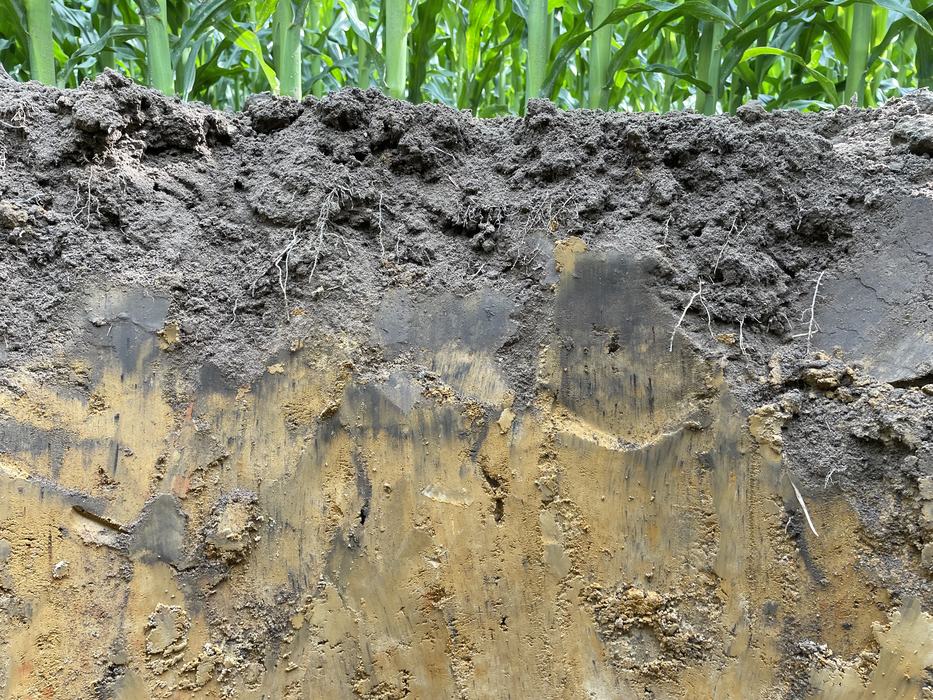
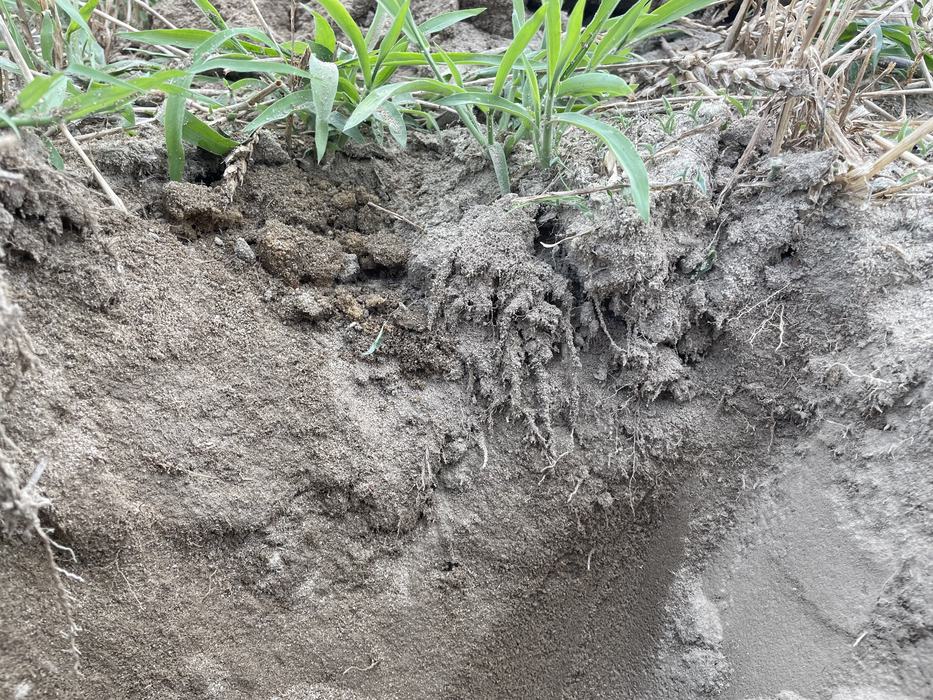
The primary physical characteristics that determine soil health include soil texture, structure, aggregation, bulk density, and porosity. From these, soil texture is a more static physical characteristic inherently acquired from the parent material during the formation process. The term soil texture is commonly used as soil type. Soil structure, aggregation, bulk density, and porosity are all dynamic properties and can be influenced by management practices. The size of the soil primary particles (sand, silt, and clay) determines soil texture, and soil structure refers to how these particles are aggregated and arranged in the soil architecture. Aggregate stability refers to the capacity of soil to bind mineral particles and organic matter together to maintain structure when facing disturbing factors like tillage, rainfall, erosion, shrinking, and swelling. Bulk density refers to the mass of solids (mineral and organic soil particles) present in a unit volume of soil. The pore spaces between soil mineral and organic particles determine porosity.
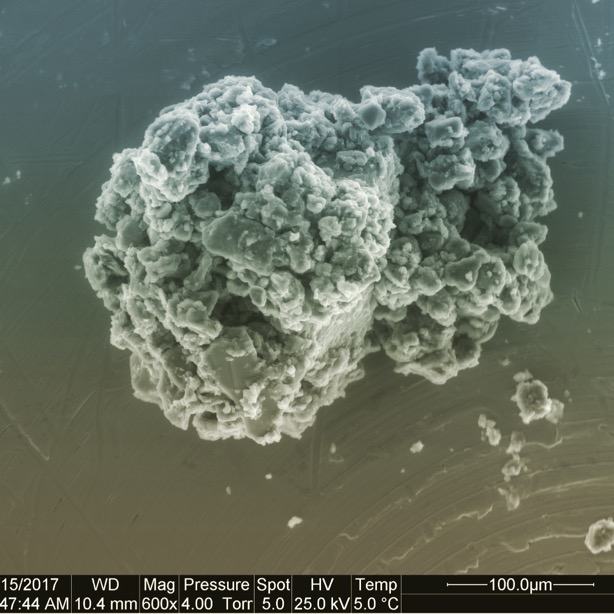
These interconnected physical properties promote root growth and development, seedling emergence, organic matter accumulation, water infiltration, water retention, and permeability (enhanced movement of air and water within the soil). Poor physical soil health causes compaction, surface crusting, and erosion. Soils in North Carolina range from heavier clay soils with drainage issues to sandy soils with lower water retention and subsurface compaction, and to organic soils with poor drainage and aeration. Each of these regions experiences different constraints and requires varied management strategies to manage soil health.
Management Recommendations
Conservation management practices like minimum or no-tillage, cover cropping, and crop rotation can improve soil aggregation by reducing soil disturbance, providing soil cover, and enhancing organic matter level and microbial activity. These sustainable practices enhance physical soil health by reducing aggregate breakage, surface crusting, and erosion.
Please see the Tillage Management and Managing Cover Crops sections in the Soil Health and Management extension portal for additional information.
Assessment Tools
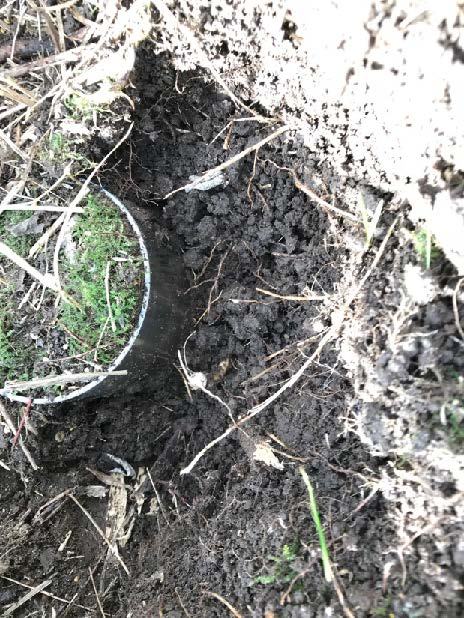
Connect with your local NC State Extension Agent or Specialist to identify an assessment strategy that supports your soil health goals and that is relevant to your production system.